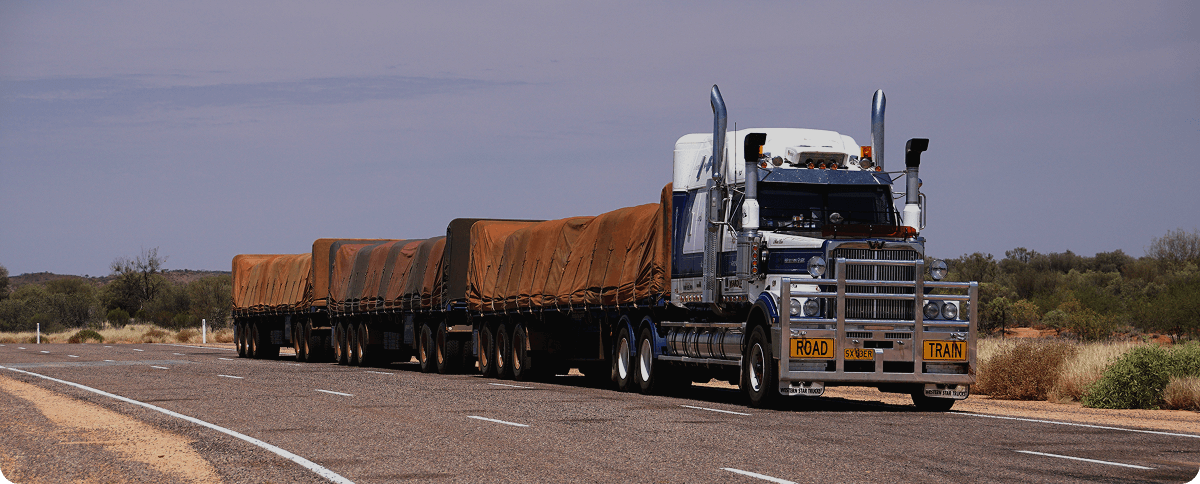
- Remarkable courage and the chicken road game—a thrilling test of nerve and skill
- The Psychology Behind the Dare
- The Role of Peer Pressure
- Variations and Common Scenarios
- The Impact of Social Media
- Legal and Ethical Considerations
- The Role of Bystanders
- The Long-Term Repercussions and Alternatives
- Beyond the Asphalt: The Psychology of Risk and Reward
Remarkable courage and the chicken road game—a thrilling test of nerve and skill
The concept of challenging oneself with risky behavior is as old as humanity itself. From ancient trials of courage to modern-day extreme sports, the drive to test limits and overcome fear is a fundamental part of the human experience. One particularly intriguing, if somewhat reckless, expression of this is the chicken road game. This isn’t a game in the traditional sense, with rules and winners; rather, it’s a spontaneous, high-stakes test of nerve, daring, and often, a considerable lack of good judgment. It’s a demonstration, often involving vehicles, of who will “chicken out” first, and the potential consequences can be severe.
The appeal lies in the adrenaline rush, the social pressure, and the perceived status gained by successfully ‘winning’ – that is, by maintaining course while another party yields. However, the dangers inherent in the chicken road game are immense, ranging from property damage to serious injury or even death. Understanding the psychological factors that contribute to this behavior, the cultural contexts where it might emerge, and the severe legal ramifications is crucial for anyone encountering or learning about this dangerous activity. It's important to realize that while the short-term thrill might seem enticing, the long-term consequences are rarely worth the risk.
The Psychology Behind the Dare
At the heart of the chicken road game, and indeed many risky behaviors, lies a complex interplay of psychological factors. A significant component is the desire for social validation. Humans are inherently social creatures, and acceptance by peers is a powerful motivator. Participating in a daring act, and successfully navigating it (or appearing to do so), can elevate one’s status within a group. This is particularly true among adolescents and young adults, who are often grappling with questions of identity and belonging. The fear of appearing cowardly can outweigh the rational assessment of risk. Additionally, the release of dopamine, a neurotransmitter associated with pleasure and reward, during a risky activity can create a positive feedback loop, reinforcing the behavior and making it more likely to be repeated. This is linked to the sensation of 'flow', a state of complete absorption in an activity, which can feel incredibly compelling.
Risk assessment also plays a key role, or rather, a compromised version of it. Individuals engaging in such activities often exhibit a bias towards optimism, believing they are less likely to experience negative consequences than others. This can stem from a sense of invulnerability, a lack of experience, or simply a poor understanding of the potential dangers involved. Furthermore, the presence of an audience can amplify these effects. The pressure to perform, to maintain a façade of bravery, can lead to impulsive decision-making and a disregard for safety. The desire to impress or to avoid social ridicule can override rational thought processes, leading to dangerous and potentially fatal outcomes.
The Role of Peer Pressure
Peer pressure is a notoriously potent force, particularly during adolescence. The desire to fit in, to be accepted by one’s peers, can lead individuals to engage in behaviors they would not otherwise consider. In the context of the chicken road game, this pressure can manifest in several ways. Direct challenges – explicitly daring someone to participate – are common. More subtle forms of pressure, such as observing others being praised for their audacity, can also be influential. Group dynamics further exacerbate the issue. The presence of a group can foster a sense of anonymity and diffusion of responsibility, making individuals feel less accountable for their actions. The fear of being ostracized, of being labeled a “chicken,” can be a powerful motivator, leading individuals to take risks they would otherwise avoid.
| Factor | Description |
|---|---|
| Social Validation | The desire to gain approval and acceptance from peers. |
| Dopamine Release | The neurological reward associated with risky behavior. |
| Optimism Bias | The belief that one is less susceptible to negative consequences. |
| Peer Pressure | The influence of one's social group on their behavior. |
Understanding these dynamics is crucial for developing effective prevention strategies. Addressing the underlying psychological needs that drive the behavior, such as the need for social acceptance and the desire for excitement, is essential. Promoting healthy risk-taking activities and fostering a culture of respect and empathy can also help to reduce the appeal of dangerous dares.
Variations and Common Scenarios
While the fundamental premise of the chicken road game remains consistent – a contest of nerve involving a potential collision – the specific scenarios can vary widely. The most commonly recognized form involves two vehicles driving towards each other, with the first driver to swerve or brake being deemed the “chicken.” This is particularly dangerous as it requires a precise calculation of timing, speed, and the other driver’s intentions, leaving little room for error. However, the game can also take on other forms. One variation involves a single vehicle approaching an obstacle – a parked car, a pedestrian crossing, or even a group of people – and the driver attempting to navigate past it at the last possible moment. This demonstrates a callous disregard for the safety of others and is particularly reckless. Another variation might involve racing towards a corner or intersection, with the driver who maintains the highest speed being considered the “winner.”
The locations where these games typically occur are also significant. Rural roads with limited visibility, stretches of highway with long straightaways, and abandoned industrial areas are all common venues. These locations often provide a sense of anonymity and reduced risk of immediate intervention by law enforcement. The time of day also plays a role. Nighttime and early morning hours, when traffic is lighter and visibility is reduced, are often favored by those engaging in this dangerous activity. The use of social media to document and share these acts is a growing concern, exacerbating the pressure to participate and increasing the potential for copycat behavior.
The Impact of Social Media
Social media platforms have inadvertently created a new avenue for the propagation of the chicken road game and similar reckless behaviors. Videos showcasing individuals performing these stunts can quickly go viral, garnering attention and admiration from peers. This creates a feedback loop, encouraging others to attempt similar feats in order to gain social status and online validation. The anonymity offered by some platforms can also embolden individuals, making them more likely to engage in risky behavior without fear of immediate consequences. Furthermore, the challenge-based nature of many social media trends can contribute to the normalization of dangerous activities. What might have once been considered an isolated incident can now quickly escalate into a widespread phenomenon, driven by the desire for likes, shares, and followers.
- Increased visibility of dangerous stunts.
- Creation of a competitive environment.
- Normalization of risky behavior.
- Reduced sense of accountability.
Addressing this issue requires a multi-faceted approach. Social media companies need to take greater responsibility for monitoring and removing content that promotes dangerous activities. Educational campaigns are needed to raise awareness about the risks involved and to promote responsible online behavior. Parents and educators must engage in open conversations with young people about the dangers of social media challenges and the importance of making safe decisions.
Legal and Ethical Considerations
The legal ramifications of engaging in the chicken road game are substantial and can vary depending on the jurisdiction. At a minimum, participants can face charges related to reckless driving, endangering others, and even attempted murder or manslaughter, depending on the outcome. In many cases, the act is considered a criminal offense, punishable by significant fines, imprisonment, and the loss of driving privileges. Beyond the criminal penalties, there are also substantial civil liabilities. In the event of an accident, participants can be held financially responsible for any damages or injuries caused to others. This can include medical expenses, property damage, and lost wages. Insurance companies are unlikely to cover damages resulting from such reckless behavior, leaving participants to bear the full financial burden. The ethical considerations are equally clear: willingly endangering one’s own life and the lives of others is morally reprehensible.
The inherent lack of consent is a particularly troubling aspect of the chicken road game. Even if all participants verbally agree to participate, the act itself involves an implied threat of harm, and the potential for unintended consequences is high. The willingness to take such risks demonstrates a profound disregard for the value of human life and a lack of empathy for others. Furthermore, the act can have a devastating impact on the families and communities affected by it. The trauma of an accident, the loss of a loved one, and the long-term consequences of serious injuries can be life-altering. It's a selfish act with potentially widespread and lasting negative effects.
The Role of Bystanders
The responsibility for preventing the chicken road game does not solely lie with the participants. Bystanders – those who witness the activity – also have a crucial role to play. Ignoring the situation or simply standing by is not an option. If you witness someone preparing to engage in this dangerous activity, you should immediately intervene, if it is safe to do so. This could involve attempting to dissuade the participants, alerting law enforcement, or simply creating a distraction to disrupt the situation. Reporting the incident to the authorities is particularly important, as it can prevent a potentially tragic outcome. Encouraging others to do the same can also help to create a culture of accountability and deter future instances of this reckless behavior.
- Intervene if safe.
- Alert law enforcement.
- Create a distraction.
- Report the incident.
It's important to remember that you are not only protecting the participants but also yourself and others who may be put at risk. Taking action, even a small one, can make a significant difference.
The Long-Term Repercussions and Alternatives
The consequences of participating in the chicken road game extend far beyond the immediate risk of accident or injury. A criminal record can have a lasting impact on one’s employment prospects, educational opportunities, and ability to travel. The emotional trauma of an accident, even a minor one, can lead to anxiety, depression, and post-traumatic stress disorder. The guilt and remorse that often accompany causing harm to others can be debilitating. Even if no one is physically injured, the act itself can damage relationships with family and friends and erode one’s sense of self-worth. The pursuit of momentary thrills is simply not worth the potential for lifelong consequences.
Fortunately, there are numerous alternative ways to experience the adrenaline rush and social connection that often motivates participation in such dangerous activities. Engaging in extreme sports under controlled conditions, such as rock climbing, skydiving, or motorsports, provides a safe and responsible outlet for risk-taking. Participating in team sports, volunteering for challenging projects, or pursuing creative endeavors can also offer a sense of accomplishment and belonging. Developing healthy coping mechanisms for stress and anxiety, such as exercise, meditation, or therapy, can help to reduce the impulse to seek thrills through reckless behavior. Prioritizing one's physical and mental wellbeing is a far more sustainable and fulfilling path than risking everything for a fleeting moment of excitement.
Beyond the Asphalt: The Psychology of Risk and Reward
The allure of the chicken road game isn't isolated; it taps into a deep-seated human fascination with risk and reward, a pattern observable across numerous domains. Consider the popularity of extreme sports, competitive gaming, or even certain investment strategies. The brain, it seems, is inherently wired to respond to novelty and challenge. This isn’t simply reckless abandon; it’s a neurochemical dance responding to a perceived opportunity for growth, for demonstrating competence, and for establishing social hierarchies. This understanding is particularly pertinent when considering interventions aimed at preventing dangerous behavior. Dismissing it as “stupidity” is not only unhelpful but actively prevents a nuanced approach.
Instead, focusing on providing alternative outlets for these impulses – avenues where risk is managed, skills are honed, and rewards are earned through legitimate effort – becomes paramount. A young person drawn to the adrenaline of a dangerous challenge might find similar satisfaction in competitive cycling, martial arts, or even a demanding academic pursuit. The key is to channel that energy into constructive activities, fostering a sense of mastery and purpose. Furthermore, promoting open communication about the underlying needs driving this behavior – the need for acceptance, for excitement, for a sense of control – can help individuals make more informed and responsible choices. It’s about transforming the energy of the dare into the momentum of a fulfilling life.
Leave a Reply